 This Shabbat, we will hear the mythical retelling of a forty-year journey through the desert, during which "the clothes upon you did not wear out, nor did your feet swell." None of us can expect this help during the current cost-of-living crisis, neither can modern day escapees from torture, persecution or other threats expect similar miracles. They, and we, rely on civilised and caring responses from others.
This week, the politics around refugees, turned very nasty. The decibel levels surrounding Prime Minister's Questions reached new heights, while the level of civilised debate reached new lows. Our movement and its rabbis shared the view of the 28 senior Bishops of the Church of England that the government's policy to deport refugees seeking asylum to Rwanda is immoral, unethical, and most likely breaches international law.
Today, I am hearing many voices suggesting the UK should withdraw from the European Convention on Human Rights and leave the Council of Europe. There is a deep irony that the Council, the Convention and the Court were established following a proposal by Winston Churchill and the work of a number of British lawyers. The principles behind it were to prevent any European country that joined it from drifting down the road to totalitarian policies. The only country to have left the Council of Europe since its formation is Russia (Greece left temporarily, but returned), which left after the invasion of Ukraine this year.
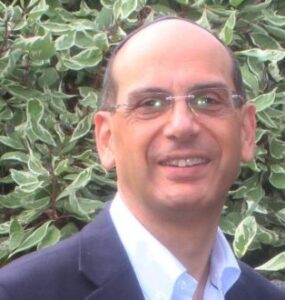
As the rabbi of this community, I am very relieved that the flight to Rwanda did not take off. I can all too easily picture my parents being on such a plane, had this policy been born in a different time, and I'm sure many of you reading this could say the same.
This year's Refugee Week (
https://refugeeweek.org.uk) begins on Monday 20th June and the theme of Healing has been chosen. My fervent hope and prayer is that an approach towards healing those who have become refugees through no fault of their own, so that the UK does not add further trauma to their lives.
Our Judaism requires us to be welcoming of those seeking refuge from peril, to be mindful of times recent and longer ago when we were strangers in a strange land. The same chapter, Deuteronomy 8, goes on to instruct us not to say to ourselves "my own power and the might of my own hand have won this wealth for me." Remembering our own good fortune can help us appreciate those who never had this. Providing safe routes for traumatised people is a civilised approach to this problem. Accepting that people only put their lives at risk when they truly have to is the empathic response.
Please join some of the events for Refugee Week - I'm personally hoping to catch Hope Notes (
https://refugeeweek.org.uk/events/hope-notes/), an immersive concert and theatre experience being delivered as a seven-part series during the coming week.
In the meantime, you might like to read my colleague, Rabbi Gabriel Kanter-Webber's prayer for the European Court of Human Rights,
which you can find here.Shabbat shalom,
Rabbi Richard Jacobi

0 Comments